The challenge.
Application teams need a view of more than individual files. Dependencies, structural risk and maintainability affect how a system can be changed and supported over time.
Why Neurulus fit.
The institution needed to examine application structure within its own environment and use those findings in day-to-day work. Neurulus joined on-premises software intelligence with integration, acceptance testing and training. Visibility into dependencies and structural quality supported informed change, while the workflow made that visibility useful to the team.
How the platform addressed it.
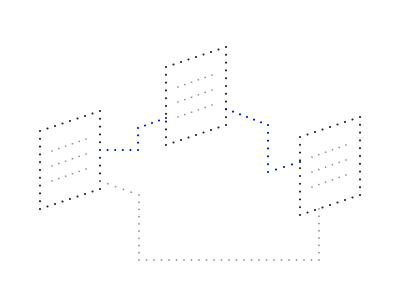
Neurulus deployed an on-premises software-intelligence environment at the University of Hyderabad’s School of Computer and Information Sciences. The platform deployment included the Bizgaze software-intelligence application, with installation, integration and configuration.
Structural analysis, application-quality views and reporting were connected to an end-to-end workflow. User-acceptance testing, training and support helped turn the application’s capabilities into a usable institutional environment.
In the deployment
- Bizgaze software-intelligence system, deployed on premises.
- Installation, integration and configuration.
- End-to-end workflow implementation and user-acceptance testing in scope.
- Structural analysis, application-quality views and reporting capabilities.
- Training and support included in the recorded scope.
The outcome.
The team gained an on-premises environment for examining application structure, dependencies and quality. Analysis, reporting and the workflow needed to use them were delivered together.
Application relationships made visible
Structural analysis supported examination of dependencies and maintainability.
An institutional operating environment
The system was deployed on premises for the team’s work.
A workflow the team could use
Integration, acceptance testing and training supported adoption.